
How to Declutter Your Home Room by Room
Decluttering feels overwhelming when you try to do the whole house at once. This guide breaks it into small, room-by-room steps with a clear sorting system and tips to keep it tidy.
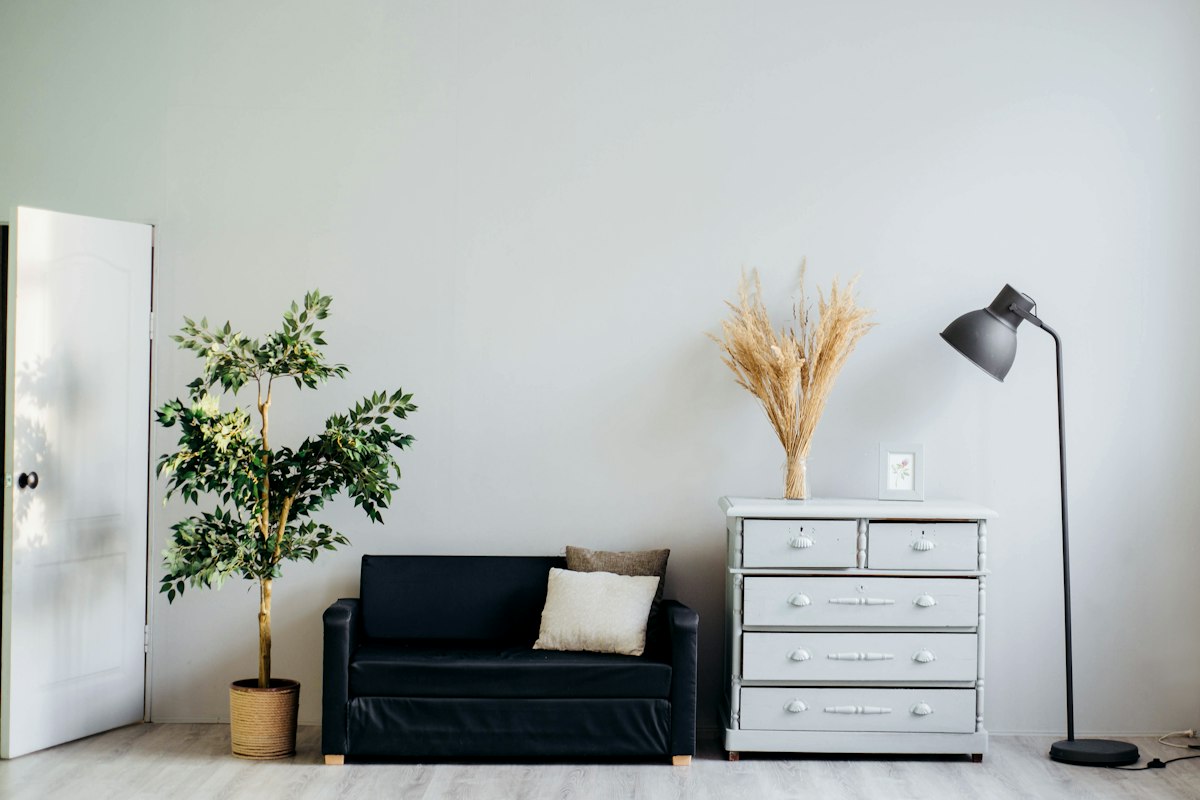
Clutter has a way of creeping up on you. A drawer that will not quite shut, a chair that has become a wardrobe, a cupboard you avoid opening because you know what will fall out. None of it is a crisis, but together it adds friction to every day: more time looking for things, more cleaning, and a low-level sense that the house is never quite under control.
The good news is that you do not need a free fortnight or a skip on the drive to fix it. Decluttering works best in small, focused bursts, one room or even one shelf at a time. At FlyJanuary.org we like the room-by-room approach because it gives you a clear finish line every session, which is far more motivating than chipping away at a vague, whole-house project.
This guide covers a simple sorting system, a sensible order to tackle your rooms, what to look for in each space, and how to stop the clutter returning.
Before you start: the four-box method
Whatever room you are in, every item you pick up should go into one of four categories. Grab four boxes, bags or laundry baskets and label them.
| Box | What goes in it | What happens next |
|---|---|---|
| Keep | Things you use, love and have space for | Return to a clear, sensible home |
| Donate or sell | Usable items you no longer need | Out of the house within a week |
| Recycle or bin | Broken, expired or worn-out items | Disposed of at the end of the session |
| Relocate | Things that belong in another room | Put away before you finish |
The “relocate” box is the secret to staying focused. Without it, you end up wandering into the bedroom with a phone charger, starting on the wardrobe and leaving the kitchen half done.
A few ground rules
- Set a timer. Twenty to forty minutes is plenty for one session. Stopping while you still have energy makes it easier to start again tomorrow.
- Work in one small area at a time. Empty one drawer or one shelf completely, clean it, then only put back what earns its place.
- Do not buy storage first. It is tempting, but you will not know what storage you need until you know what you are keeping.
- Get the donate box out quickly. Bags that sit in the hallway for a month tend to get unpacked again.
A sensible order to work in
The order matters more than people think. Starting with the loft or a box of old photographs is a recipe for stalling on the first afternoon. Begin where decisions are quick and emotional attachment is low, and build up to the harder spaces.
- Bathroom
- Kitchen
- Hallway and entrance
- Living room
- Bedroom and wardrobe
- Home office or paperwork
- Children’s rooms (with the children, where possible)
- Loft, garage, shed and sentimental items
The bathroom
The bathroom is the ideal warm-up: it is small, the decisions are easy and the difference is instantly visible.
- Check use-by and period-after-opening dates on cosmetics, sun cream and toiletries, and bin anything past its best.
- Gather half-used bottles of the same product and finish them before buying more.
- Clear out hotel miniatures and free samples you never use, or donate unopened ones to a local shelter or food bank that accepts toiletries.
- Go through the medicine cabinet. Take out-of-date or unwanted medicines back to a pharmacy rather than putting them in the bin or down the sink.
- Keep only two or three sets of towels per person.
The kitchen
Kitchens collect duplicates. Most of us own far more mugs, containers and gadgets than we use.
- Pair every food container with a lid. Recycle the orphans.
- Count your mugs and glasses, then keep a sensible number for your household plus a few for guests.
- Be honest about gadgets. If the spiraliser, bread maker or sandwich toaster has not been used in a year, it can probably go.
- Check the cupboards for out-of-date food, and move anything close to its date to the front so it gets eaten.
- Clear the worktops as much as possible. Keeping only the items you use every day out on display makes the whole room feel calmer and easier to clean.
A tidy, well-organised kitchen also makes cooking at home much easier. If you want to put that new space to good use, our guide to budget meal prep for beginners is a natural next step.
The hallway and living room
These are the spaces you see first and use most, so small changes make a big difference to how your home feels.
Hallway
- Keep only the coats and shoes in current use near the door. Store out-of-season items elsewhere.
- Set up a single bowl, hook or tray for keys, wallets and headphones.
- Deal with the post as it arrives: recycle junk mail at the door and put anything important in one dedicated place.
Living room
- Clear every flat surface, then put back only what you love or use.
- Sort through books, DVDs and games. Keep favourites and donate the rest.
- Gather loose cables and remotes and give them a home.
- Check cushion and throw numbers. A sofa you cannot sit on is a sign there are too many.
The bedroom and wardrobe
Clothes are where many people get stuck, because almost everything feels like it might be useful one day. A few tests help.
- The hanger trick. Turn all your hangers backwards. When you wear something, hang it back the normal way. After a few months, you will see clearly what you never reach for.
- Does it fit now? Not after a diet, not if you lose a little weight. Clothes that fit the current you are the only ones that earn space.
- Would you buy it again today? If not, it is probably time to let it go.
- Keep your bedside table clear. A lamp, a book and a glass of water is plenty, and a calmer bedroom can make winding down for bed easier.
Good-quality clothes can be sold online or through resale apps, while most charity shops will gladly take clean, wearable items. Textiles that are too worn to donate can often go into textile recycling banks.
Paperwork and the home office
Paper clutter is dull, but clearing it can save you real stress, especially around bills and tax time.
- Gather every piece of paper from around the house into one pile.
- Shred anything with personal details that you no longer need.
- Keep important documents such as birth certificates, passports, property deeds and pension paperwork together in one safe, clearly labelled folder.
- Switch to paperless statements where you are comfortable doing so.
- Set up a simple “to action” tray and clear it once a week.
How long you need to keep financial records depends on your circumstances. If you are self-employed or complete a tax return, check the current guidance on GOV.UK (in the US, the IRS website has equivalent advice).
Lofts, garages and sentimental items
Leave these until last, when your decision-making muscles are warmed up.
- Set a limit. One memory box per person, or one shelf in the loft, gives you a clear boundary.
- Photograph, then let go. Children’s artwork, old cards and souvenirs can often be photographed and kept digitally, with only a few favourite originals saved.
- Ask whether it would be missed. Boxes that have been sealed since your last house move are a good clue.
- Do not decide for others. Check with family members before getting rid of their belongings.
How to stop clutter coming back
Decluttering once is satisfying. Staying decluttered is where the real benefit lies.
Clutter is mostly a flow problem: if more comes into your home than goes out, it builds up again. Control what comes in, and maintenance becomes easy.
- One in, one out. When something new arrives, something similar leaves.
- Pause before buying. Wait 48 hours before non-essential purchases. Many impulses fade. Our no-spend January challenge is a good way to reset your shopping habits.
- Do a ten-minute reset each evening. Put things back where they live before bed.
- Keep a donate bag on the go. When you find something you no longer need, it goes straight in. When the bag is full, it goes to the charity shop.
- Review twice a year. A quick seasonal sweep, perhaps when you swap summer and winter clothes, stops small piles from becoming big ones.
Decluttering is not about owning as little as possible or living in a show home. It is about making your space work for you, so the things you use are easy to find and the things you love have room to breathe. Start with one drawer today, and let the momentum carry you from there.
Frequently asked questions
Which room should I declutter first?
Start with a small, low-emotion space such as the bathroom or a single kitchen drawer. Quick, visible wins build momentum, and you will make faster decisions by the time you reach harder areas like the loft or sentimental items.
How do I decide whether to keep something?
Ask whether you have used it in the past year, whether you would buy it again today and whether you have somewhere sensible to store it. If the honest answer to all three is no, it is probably ready to go.
What should I do with things I no longer want?
Sell items with real resale value, donate usable goods to charity shops or local reuse groups, and recycle what you can. Check your local council website for guidance on recycling electricals, textiles and bulky items responsibly.
Keep reading

Cook once, eat well all week, spend less
Meal prep is one of the easiest ways to cut your food bill and stop relying on takeaways. This beginner guide includes a sample weekly plan, a rough shopping cost and safe storage tips.

A calmer start to the day in 30 minutes or less
You do not need a 5am alarm or a ten-step ritual. Here is a realistic, flexible morning routine built around a few small steps that make the rest of the day feel easier.
How to build habits you will still keep in spring
Most resolutions fade by February because they rely on motivation. Here is a practical, low-drama way to pick, shrink and protect a handful of habits so they quietly stick.
The Fresh Start Letter
One useful email a week
The best new guides on money, home, wellbeing and ideas from FlyJanuary.org — every Sunday morning. No spam, unsubscribe in one click.