
Budget Meal Prep for Beginners: A Simple Weekly Plan
Meal prep is one of the easiest ways to cut your food bill and stop relying on takeaways. This beginner guide includes a sample weekly plan, a rough shopping cost and safe storage tips.
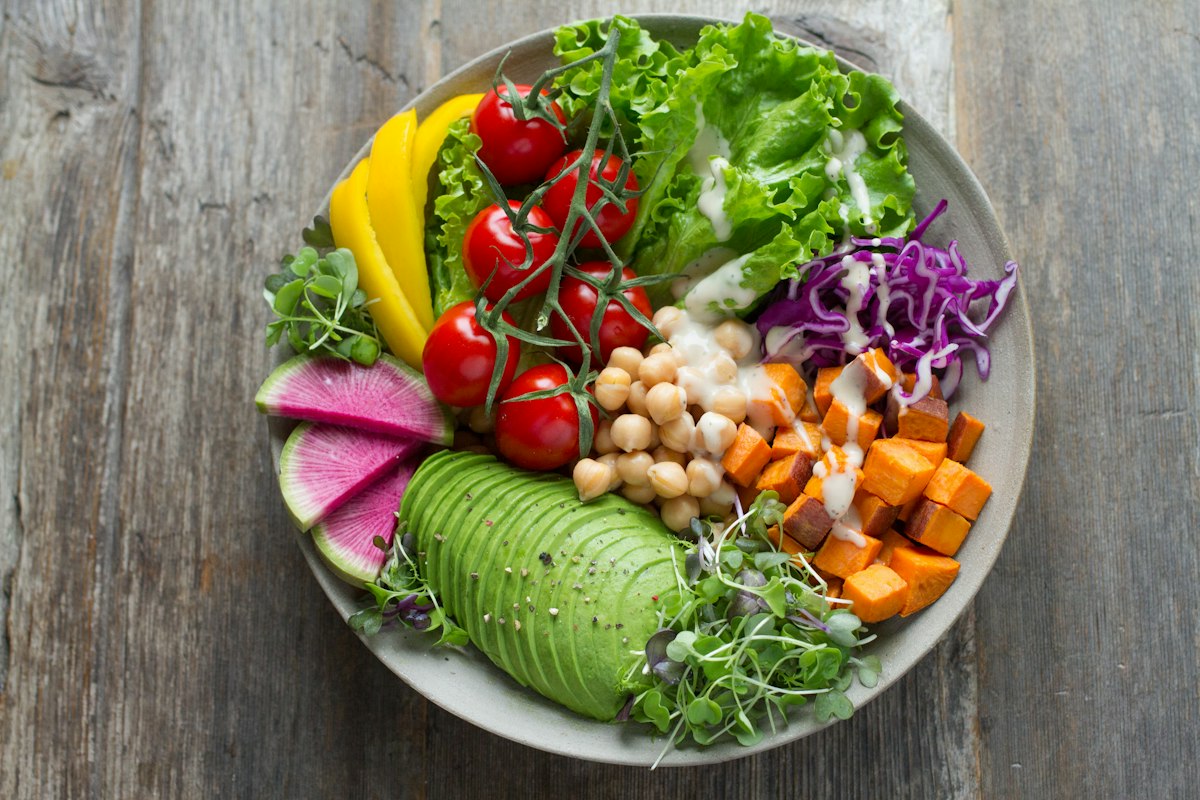
Food is one of the few big household costs you can change week by week. Rent and energy bills are hard to shift quickly, but what you spend at the supermarket, on lunches near work and on takeaways is largely within your control. Meal prep, cooking a batch of food in advance so you have meals ready to go, is one of the simplest ways to bring that number down.
It also removes one of the most draining daily decisions: “what are we having tonight?” When you get home tired and hungry with nothing planned, an expensive delivery is often the easiest option. With a few meals already in the fridge, the easy option and the cheap option become the same thing.
Here at FlyJanuary.org we have kept this guide deliberately beginner-friendly. You do not need to spend all of Sunday in the kitchen or eat the same sad chicken and rice for five days. The aim is a realistic plan you can repeat, with a rough idea of what it costs.
How meal prep saves money
Meal prep saves money in a few overlapping ways, and it helps to understand them so you can focus on the ones that matter most for you.
- Fewer convenience purchases. A bought sandwich, crisps and drink most workdays adds up quickly. Replacing them with a packed lunch is often the single biggest saving.
- Less food waste. When you shop for specific meals, you buy what you need and use it, rather than throwing out wilted vegetables at the end of the week.
- Bulk buying makes sense. Larger bags of rice, pasta, oats, lentils and frozen vegetables are usually cheaper per portion, and meal prep means you actually use them.
- Fewer takeaways. Having something ready to heat removes the temptation on busy evenings.
If you are working on your household finances more broadly, food is often the most flexible line in a monthly budget, so small changes here show up quickly.
Getting started: what you need
You do not need much equipment. Most kitchens already have the essentials.
- A large saucepan or casserole dish for soups, stews and chilli.
- One or two baking trays for roasting vegetables and traybakes.
- A sharp knife and a chopping board.
- A set of airtight containers, ideally microwave-safe and freezer-safe.
- A marker pen and masking tape or labels for dating food.
Stock a basic store cupboard
A well-stocked cupboard makes meal prep much cheaper because you only need to buy fresh items each week.
- Dried pasta, rice and porridge oats.
- Tinned tomatoes, chickpeas, kidney beans and lentils.
- Stock cubes, dried herbs, cumin, paprika and chilli flakes.
- Olive or vegetable oil, salt, pepper and soy sauce.
- Frozen peas, sweetcorn, spinach and mixed vegetables.
A five-step meal prep method
The process is the same whatever you cook. Once you have done it a couple of times, it becomes quick and automatic.
- Plan. Choose two or three recipes for the week, ideally sharing ingredients. Check what you already have in the fridge and cupboards first.
- Shop. Write a list and stick to it. Supermarket own-brand ranges and frozen vegetables are usually the best value.
- Batch cook. Set aside around two hours, often on a Sunday. Start with whatever takes longest, such as roasting vegetables or simmering a stew, and prepare the rest while it cooks.
- Portion and cool. Divide the food into containers, let it cool, then put it in the fridge or freezer within a couple of hours.
- Label. Write the dish and date on each container so you know what to eat first.
A sample weekly plan
Here is a simple five-day plan for one person, covering breakfast, lunch and dinner on weekdays. It uses three batch-cooked dishes plus easy breakfasts, so there is enough variety to stay interesting without spending all weekend cooking.
| Day | Breakfast | Lunch | Dinner |
|---|---|---|---|
| Monday | Overnight oats with banana | Chickpea, sweet potato and salad bowl | Lentil and vegetable chilli with rice |
| Tuesday | Overnight oats with frozen berries | Chickpea, sweet potato and salad bowl | Chicken and vegetable traybake |
| Wednesday | Toast with peanut butter | Lentil chilli with rice | Chicken and vegetable traybake |
| Thursday | Overnight oats with banana | Chicken traybake wrap | Lentil chilli with jacket potato (from frozen) |
| Friday | Toast with eggs | Chickpea and salad bowl | Pasta with tomato sauce and spinach |
The chilli is made in a large batch, with a few portions frozen for later in the week. The salad bowls are kept fresh by storing the dressing separately and adding avocado on the day. The traybake covers two dinners and one lunch.
A rough cost breakdown
Prices vary by supermarket, region and season, so treat these figures as a rough guide based on typical UK budget and own-brand ranges rather than exact costs.
| Item | Rough cost |
|---|---|
| Porridge oats (1kg bag) | £1.00 |
| Bananas (5) and frozen berries | £2.50 |
| Bread (1 loaf) and peanut butter | £2.00 |
| Eggs (6) | £1.50 |
| Chickpeas (3 tins) and red lentils (500g) | £2.00 |
| Tinned tomatoes (3 tins) and kidney beans (1 tin) | £1.80 |
| Rice (1kg) and pasta (500g) | £1.50 |
| Sweet potatoes (1kg) and baking potatoes | £2.00 |
| Chicken thighs (around 1kg) | £3.50 |
| Mixed peppers, onions, carrots and courgettes | £3.00 |
| Salad leaves, cherry tomatoes and cucumber | £2.50 |
| Avocados (2) | £1.50 |
| Frozen spinach and milk | £2.00 |
| Tortilla wraps | £1.00 |
| Total for the week | roughly £28 |
That works out at very roughly £1.85 per meal across 15 weekday meals, with some leftovers such as oats, rice, pasta and lentils carrying over into the following week. Your total will depend on what you already have in the cupboard, and the first week usually costs a little more while you build up your store-cupboard basics.
The biggest savings rarely come from finding the cheapest chicken. They come from replacing bought lunches and takeaways, and from wasting less of what you already buy.
Storing food safely
Food safety matters more with meal prep because you are keeping cooked food for several days. A few simple habits keep it safe.
- Cool food quickly. Spread hot food out in shallow containers and get it into the fridge within a couple of hours of cooking.
- Keep your fridge cold. Aim for 5°C or below.
- Eat fridge portions within two to three days. Freeze anything you plan to eat later in the week.
- Defrost in the fridge. Move frozen meals into the fridge the night before rather than leaving them on the side.
- Reheat until piping hot all the way through, and only reheat food once.
- Take extra care with rice. Cool cooked rice quickly, keep it in the fridge and eat it within a day or so.
For more detail, the Food Standards Agency has clear guidance on storing and reheating food at home (in the US, see the food safety pages on cdc.gov).
Tips to keep it interesting
The main reason people give up on meal prep is boredom. A few tricks help.
- Prep components, not just meals. Cook a tray of roasted vegetables, a pot of grains and a protein, then combine them differently each day.
- Vary the sauces. The same chickpeas and vegetables taste very different with a lemon and herb dressing, a peanut sauce or a spoonful of pesto.
- Use your freezer. Freezing half of each batch means you can rotate between several dishes over a fortnight instead of eating the same thing all week.
- Leave one night free. Planning for a flexible night, for leftovers or something simple, stops the plan feeling rigid.
- Start small. If a full week feels like too much, start by prepping lunches only. It is often where the biggest savings are.
Meal prep works well alongside a short-term spending reset such as our no-spend January challenge, and it is much easier in a tidy kitchen, so our guide to decluttering your home room by room is worth a look if your cupboards are overflowing.
Start with one batch-cooked dish this weekend, see how it fits into your week, and build from there. Within a month or two, it will feel like a normal part of how you eat, and your bank balance will notice the difference.
Frequently asked questions
How long does meal-prepped food last in the fridge?
As a general rule, most cooked meals keep for around two to three days in the fridge if they are cooled quickly and stored in sealed containers. Anything you plan to eat later in the week is safer frozen and defrosted in the fridge the night before.
How much can meal prep save me?
It depends on what you currently spend. The biggest savings usually come from replacing bought lunches, takeaways and food that would otherwise be thrown away. Many people find even prepping lunches alone makes a noticeable difference to their weekly spend.
Do I need special containers to start meal prepping?
No. Any clean, airtight containers will do, including reused takeaway tubs in good condition. If you buy new ones, a set of microwave-safe and freezer-safe containers in two or three sizes covers most needs.
Keep reading

A calmer start to the day in 30 minutes or less
You do not need a 5am alarm or a ten-step ritual. Here is a realistic, flexible morning routine built around a few small steps that make the rest of the day feel easier.

A calm, room-by-room plan to clear the clutter
Decluttering feels overwhelming when you try to do the whole house at once. This guide breaks it into small, room-by-room steps with a clear sorting system and tips to keep it tidy.

How to build habits you will still keep in spring
Most resolutions fade by February because they rely on motivation. Here is a practical, low-drama way to pick, shrink and protect a handful of habits so they quietly stick.
The Fresh Start Letter
One useful email a week
The best new guides on money, home, wellbeing and ideas from FlyJanuary.org — every Sunday morning. No spam, unsubscribe in one click.