
The No-Spend January Challenge, Without the Misery
A no-spend month can reset your habits and free up real money, but only if the rules are clear before you start. Here is how to plan one, what to allow and how to avoid the February rebound.
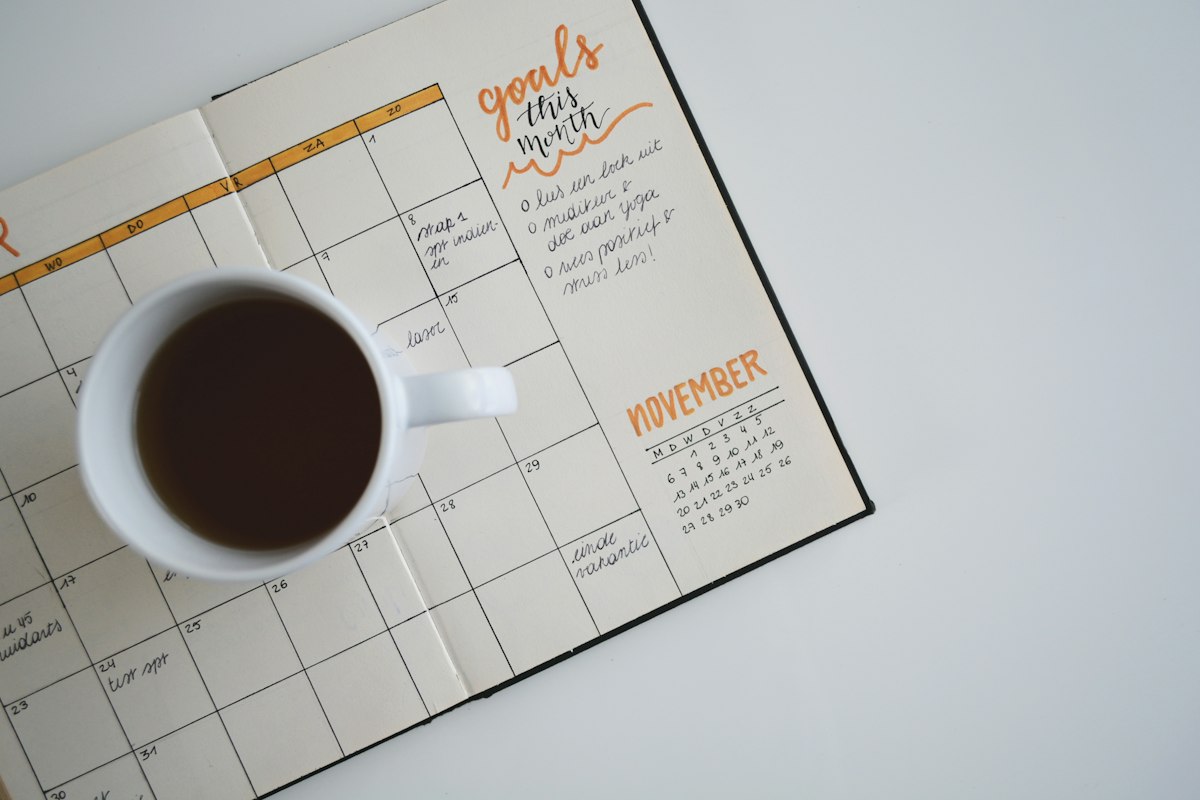
January is the month when many people look at their bank balance after the festive season and wince. A no-spend January is a popular response: a month of buying nothing beyond the essentials, to rebuild savings and break a few habits.
Done well, it can be surprisingly useful. It shows you which purchases you genuinely miss and which you were making on autopilot. Done badly, it becomes a month of grim self-denial followed by a February splurge that undoes the whole thing.
The difference is almost always in the planning. Here at FlyJanuary.org we think the rules matter more than the willpower, so this guide focuses on setting them up properly before the first of the month.
What a no-spend challenge actually is
A no-spend challenge is a set period, often a month, during which you only spend money on a pre-agreed list of essentials. Everything else waits.
It is not a budget, though it works best alongside one. A budget tells you how much to spend in each category. A no-spend challenge temporarily sets some of those categories to zero to see what happens. If you do not yet have a budget, our guide on how to build a monthly budget is a good place to start, ideally in December.
Step one: write your rules down
Vague rules collapse in the first week. Before the month starts, write two lists.
Allowed
- Rent or mortgage, council tax and utilities
- Groceries, from a pre-written shopping list
- Transport to work and essential appointments
- Existing debt repayments
- Prescriptions and essential toiletries
- Pre-booked commitments, such as a friend’s birthday meal you have already agreed to
Not allowed
- Takeaways, coffee shops and eating out
- Clothes, shoes and accessories
- Books, games, apps and new subscriptions
- Home decor and gadgets
- “Treats” and impulse buys
Some items sit in a grey area, such as replacing something that breaks, or a gift for a birthday that falls in January. Decide now how you will handle them. A good rule is the 48-hour wait: if something unlisted seems necessary, write it down and wait two days. If it still feels necessary, buy it and note it.
Step two: clear the decks before day one
A few small preparations make the month much easier:
- Cancel or pause subscriptions you do not need. Many streaming and app services let you pause rather than cancel.
- Unsubscribe from marketing emails and turn off shopping app notifications.
- Remove saved card details from online shops, adding a small but useful barrier.
- Do a pantry and freezer audit so you know what meals you can already make.
- Check the calendar for birthdays, events and travel, and decide in advance how you will handle each.
- Open or label a savings pot for the money you will not spend.
That last step matters most. Money that is not spent but stays in your current account has a habit of being spent anyway in February.
Step three: estimate what you could save
Look at your last two or three months of statements and add up the categories you are pausing. This turns the challenge from a vague good intention into a concrete goal.
| Paused category | Typical monthly spend |
|---|---|
| Takeaways and delivery | £110 |
| Coffee and lunches out | £85 |
| Clothes and shoes | £70 |
| Online impulse buys | £60 |
| Entertainment and apps | £35 |
| Total | £360 |
In this example, a successful month could free up roughly £360. Even if you only manage two-thirds of it, that is £240.
Now decide where it goes. Some useful options:
- Kick-starting or topping up an emergency fund (see how big an emergency fund should be)
- An extra payment towards your highest-interest debt
- A sinking fund for a predictable cost later in the year
Deciding in advance gives the month a purpose. “I am saving £300 to clear my store card” is far more motivating than “I am not allowed to buy things”.
Step four: plan for the hard moments
The challenge is rarely difficult on a quiet Tuesday. It is difficult when friends suggest drinks, when you are tired and hungry at 7pm, or when a sale email lands. Plan for those moments specifically.
Social plans. Suggest free or cheap alternatives: a walk, a film night at home, a potluck dinner. If you do go out, decide on a figure beforehand and pay in cash or with a separate card.
Tired evenings. Batch-cook a few meals at the start of the month so there is always something ready. Our guide to budget meal prep for beginners has simple ideas.
Boredom. A surprising amount of spending is entertainment. Make a list of free things to do: the library, free museums, walks, a book you already own, a hobby you have neglected.
Emotional spending. If you notice you want to buy something when you feel low, stressed or bored, write down the feeling and the item. You do not have to fix it this month, but seeing the pattern is valuable.
The point of a no-spend month is not to prove you can suffer. It is to notice which purchases you genuinely value, so you can keep those and drop the rest.
Step five: track it simply
Keep a single page, in a notebook or on your phone, with three columns: date, what you were tempted by, and whether you bought it. At the end of each week, add up what you did not spend.
Marking off no-spend days on a calendar can also help. A visible chain of crosses is oddly motivating, and it makes the progress feel real.
How to avoid the February rebound
The biggest risk is not failing during January. It is the release of pent-up spending afterwards. A few ways to prevent it:
- Move the savings on 31 January, before the temptation arrives.
- Review your tracking page. Which paused items did you genuinely miss? Bring those back deliberately, within a budget.
- Keep one or two rules. Many people find they keep the unsubscribed emails, the removed card details or the 48-hour wait.
- Plan one planned treat in February that you actually want, rather than a series of small impulse buys.
For example, you might discover you did not miss takeaways at all but really missed a weekly coffee with a friend. A sensible February budget would keep the coffee, say £15 a month, and leave takeaways at a much lower level than before, perhaps £30 instead of £110. That is a lasting saving of £80 a month, or close to £1,000 over a year, from one month of paying attention.
Is a no-spend January right for you?
It suits people who want a sharp reset, have a clear savings or debt goal and enjoy a defined challenge. It may not suit you if you are already living on a tight budget with little discretionary spending, or if strict rules tend to make you feel anxious. In that case, a gentler approach, such as one no-spend day a week or a single paused category, can deliver many of the same insights.
Whichever version you choose, the value is in what you learn. Pair it with our January money reset checklist and you will start the year with a much clearer picture of where your money goes.
This article is general information, not personalised financial advice. See our disclaimer.
Frequently asked questions
Does a no-spend challenge mean spending nothing at all?
No. You still pay essentials such as rent, bills, groceries and transport to work. The challenge is about cutting discretionary spending, like takeaways, clothes and impulse buys, for a set period.
What if I break the rules partway through?
Note what happened and why, then carry on. One slip does not cancel the savings from the rest of the month, and the reason for the slip often tells you something useful about your spending triggers.
Is a whole month too long for a first attempt?
It can be. If a month feels daunting, start with a no-spend weekend or a single no-spend week, then build up. Shorter challenges still reveal your habits and are easier to repeat.
Keep reading
A 12-step money reset for the start of the year
A practical, step-by-step annual money review you can work through over a few evenings in January, from net worth and subscriptions to tax deadlines and goals, with a worked example.

Side income ideas that are honest about the effort
Forget passive income promises. These are practical ways to earn an extra £100 to £500 a month, with a simple method to compare them by true hourly rate and the tax basics to check first.

Snowball or avalanche? Picking a debt payoff plan
Both methods clear your debts. One saves more interest, the other gives you quicker wins. Here is a side-by-side worked example and a simple way to decide which suits you.
The Fresh Start Letter
One useful email a week
The best new guides on money, home, wellbeing and ideas from FlyJanuary.org — every Sunday morning. No spam, unsubscribe in one click.