
New Year Habits That Last Beyond February
Most resolutions fade by February because they rely on motivation. Here is a practical, low-drama way to pick, shrink and protect a handful of habits so they quietly stick.
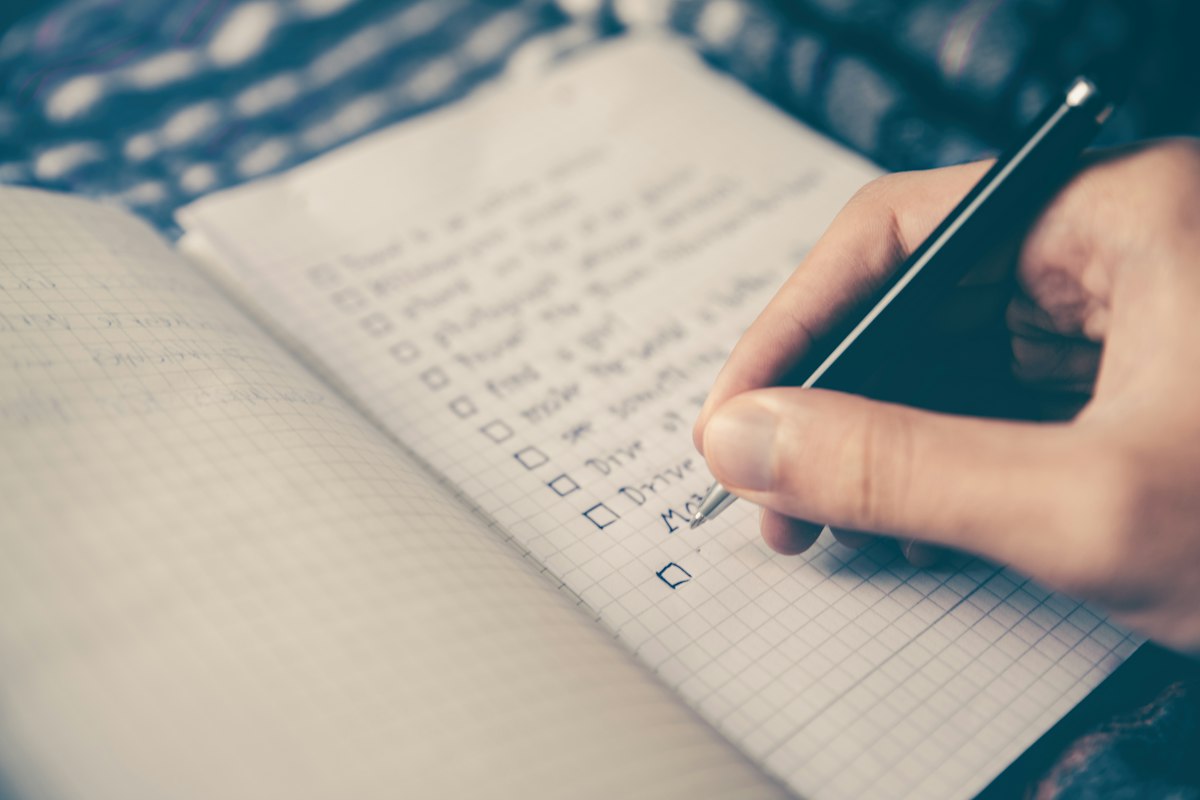
Every January, millions of people decide this is the year they will read more, drink less, move more and finally sort out their finances. By the middle of February, most of those plans have gone quiet. That is not a character flaw. It is what happens when a habit depends on motivation, and motivation is the least reliable resource any of us have.
Here at FlyJanuary.org we think of January as a useful starting gun rather than a test you either pass or fail. The aim of this guide is simple: help you choose a small number of habits, shrink them until they are almost too easy, and build a bit of structure around them so they survive busy weeks, illness and the occasional bad mood.
None of this needs an app, a planner or a dramatic overhaul. It needs a bit of honest thinking up front and a willingness to start smaller than feels impressive.
Why most resolutions fail
Resolutions tend to fail for a handful of predictable reasons, and recognising them is half the battle.
- They are outcomes, not behaviours. “Get fit” or “save more” describes a result. You cannot do “get fit” on a Tuesday evening. You can do a 15-minute walk.
- They are too big on day one. Going from no exercise to five gym sessions a week is a lifestyle change, not a habit. Early enthusiasm carries you for a week or two, then real life returns.
- They have no trigger. If a habit does not have a clear moment in your day, it competes with everything else for attention, and it usually loses.
- They rely on willpower at the worst time. Planning to cook a healthy dinner when you get home exhausted at 7pm sets you up to fail at exactly the moment you are least able to resist a takeaway.
- One slip turns into giving up. Many people treat a missed day as proof the whole thing has failed, rather than as an ordinary part of the process.
Turn goals into tiny behaviours
The single most useful step is translating a vague ambition into a specific, small action you can do even on a bad day. A good test is whether you could complete it in under two minutes when you are tired. You can always do more, but the minimum version is what keeps the chain going.
| Vague goal | Tiny starting habit | Grown-up version (after a few weeks) |
|---|---|---|
| Get fitter | Put on trainers and walk to the end of the road | A 30-minute walk or run most days |
| Read more | Read one page before bed | 20 minutes of reading each night |
| Save money | Move £5 to savings every Monday | A standing order on payday |
| Eat better | Add one portion of vegetables to dinner | Plan and prep meals for the week |
| Feel calmer | Three slow breaths after brushing your teeth | Ten minutes of quiet each morning |
| Tidier home | Clear the kitchen worktop before bed | A short daily reset of the main rooms |
The tiny version can feel almost silly, and that is the point. You are not trying to get results in week one. You are trying to become the sort of person who reliably shows up, so that scaling up later feels natural instead of forced.
Attach new habits to old ones
Your day is already full of habits you never think about: making a coffee, brushing your teeth, locking the front door, sitting down on the train. These are perfect anchors. Linking a new behaviour to an existing one, sometimes called habit stacking, gives it a ready-made trigger.
The format is simple: “After I [existing habit], I will [new habit].”
- After I pour my morning coffee, I will write down my three priorities for the day.
- After I get home and put my keys down, I will change into my walking shoes.
- After I get into bed, I will read one page of my book.
- After I get paid, I will move money into my savings account.
The more specific the anchor, the better. “In the morning” is vague. “Straight after I switch the kettle on” is something your brain can latch onto. If you are building a fuller start to the day, our guide to a simple morning routine has more ideas for chaining small steps together.
Make the right thing the easy thing
Your environment does a lot of the work that people attribute to willpower. If the biscuits are on the counter and the fruit is in the bottom drawer, you already know which one you will reach for. Small changes to your surroundings can quietly nudge you in the right direction.
Reduce friction for good habits
- Lay out your exercise clothes the night before.
- Leave the book you want to read on your pillow.
- Keep a filled water bottle on your desk.
- Set up an automatic transfer so saving happens without a decision.
Add friction to habits you want to break
- Move social media apps off your home screen, or log out after each use.
- Keep snacks in an opaque tin in a high cupboard.
- Charge your phone outside the bedroom.
- Unsubscribe from shopping emails before you are tempted.
If your phone is one of the main things pulling you away from better habits, our piece on a digital detox without quitting your phone goes into this in more depth.
Plan for bad days in advance
The habits that last are the ones designed with a backup plan. Before you start, spend five minutes thinking about what is most likely to knock you off course, and decide now what you will do when it happens. Psychologists sometimes call these “if-then” plans, and they are simple to write.
- If it is raining when I planned to walk, then I will do ten minutes of stretching indoors.
- If I get home too late to cook, then I will have the emergency meal in the freezer.
- If I am away from home, then I will do the minimum version of the habit only.
- If I miss a day, then I will do it the very next day, no matter how small.
The goal is not a perfect streak. It is never missing twice in a row. One missed day is noise; two or three in a row is a new pattern forming.
This mindset matters far more than it sounds. People who treat a slip as a normal event, rather than a verdict on their character, tend to keep going for longer.
Track progress without obsessing
Tracking helps because it makes progress visible, and seeing a row of ticks is quietly motivating. But it can also become another chore, so keep it light.
A paper checklist on the fridge or a simple grid in a notebook works well. Draw a row for each habit and a column for each day of the month, and tick the box when you have done at least the minimum version. At the end of each week, take two minutes to look back and ask:
- Which habits felt easy this week?
- Which ones did I skip, and what got in the way?
- Is there one small tweak that would make next week easier?
Once a habit is happening on most days without effort, you can stop tracking it and turn your attention to the next one. If you want to apply the same approach to money, our January money reset checklist uses a similar step-by-step style.
A four-week starter plan
If you want a concrete structure, here is one way to build habits gradually across the first month.
- Week one: Choose one habit. Write down its tiny version, its anchor and one if-then plan. Do only the minimum each day.
- Week two: Keep the same habit. If it feels easy, increase it slightly, for example from one page to five pages.
- Week three: Add a second habit, following the same process. Keep the first one going.
- Week four: Review both. Adjust anything that is not working, and decide whether either habit is ready to grow.
By the end of the month you will not have transformed your life, but you will have two behaviours that are genuinely part of your days. That is a far better foundation than ten resolutions that have already been abandoned.
Be patient with yourself
Habits take longer to become automatic than most people expect, and the timeline varies a lot from person to person and habit to habit. A daily glass of water might feel natural within a couple of weeks; a regular exercise routine can take months.
What matters is that the habit is getting easier over time, not that it is effortless by a certain date. If you keep showing up, keep the starting version small, and forgive yourself the inevitable missed days, the changes will add up. And if January did not go to plan, there is nothing special about the first of the month: any Monday, or any morning, is a perfectly good time to start again.
Frequently asked questions
How long does it take to form a new habit?
There is no fixed number of days, despite the popular "21 days" figure. Simple habits can feel automatic within a few weeks, while more demanding ones take months. Focus on repetition in a consistent context rather than a deadline.
Should I start several new habits at once?
It is usually better to start one or two and add more once they feel easy. Each new habit needs attention and planning in its early weeks, and spreading that attention too thinly is a common reason everything collapses together.
What should I do if I miss a day?
Treat it as normal and get back to it at the next opportunity. A useful rule of thumb is never to miss twice in a row, because one missed day rarely matters but a run of them quietly resets the habit.
Keep reading

Cook once, eat well all week, spend less
Meal prep is one of the easiest ways to cut your food bill and stop relying on takeaways. This beginner guide includes a sample weekly plan, a rough shopping cost and safe storage tips.

A calmer start to the day in 30 minutes or less
You do not need a 5am alarm or a ten-step ritual. Here is a realistic, flexible morning routine built around a few small steps that make the rest of the day feel easier.

A calm, room-by-room plan to clear the clutter
Decluttering feels overwhelming when you try to do the whole house at once. This guide breaks it into small, room-by-room steps with a clear sorting system and tips to keep it tidy.
The Fresh Start Letter
One useful email a week
The best new guides on money, home, wellbeing and ideas from FlyJanuary.org — every Sunday morning. No spam, unsubscribe in one click.