
Index Funds for Beginners: How They Work and How to Start
Index funds are one of the simplest ways to invest for the long term. Here is how they work, what to check before you buy, and a worked example showing why low fees and time matter most.
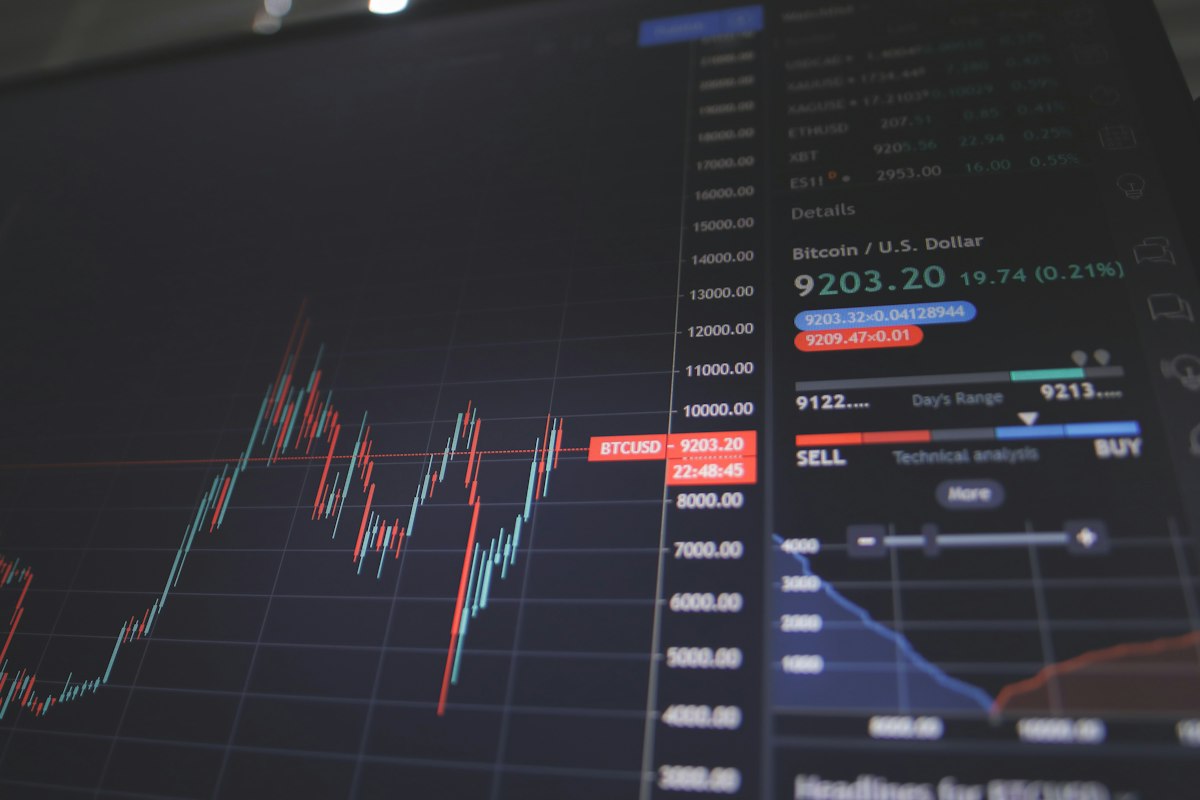
Investing can seem like a world of jargon, charts and people shouting about the next big thing. Index funds are the opposite. They are deliberately boring, quietly cheap and, for many long-term investors, one of the most sensible places to start.
The basic idea is simple. Instead of trying to pick which companies will do best, you buy a small slice of a large number of them at once, and accept the market’s overall return. You will never beat the market with an index fund, but you will never badly trail it either, and you will pay far less in fees than you would for most actively managed funds.
This guide explains how index funds work, what to look for and how to take the first practical steps. Here at FlyJanuary.org we are not regulated advisers and cannot tell you what to buy, but we can help you understand the principles well enough to ask good questions.
What an index is
A stock market index is a list of companies chosen by a set of rules, used to measure how a market is performing. Some well-known examples:
- FTSE 100: roughly the 100 largest companies listed on the London Stock Exchange
- FTSE All-Share: a much broader measure of the UK market
- S&P 500: around 500 large US companies
- MSCI World and FTSE All-World: thousands of companies across many countries
When people say “the market went up 1% today”, they usually mean a major index rose by that amount.
What an index fund does
An index fund is an investment fund that aims to match the performance of a particular index by holding the same companies in roughly the same proportions. If the index rises 8% over a year, the fund should rise by close to 8%, minus its fees.
Because there is no team of analysts trying to pick winners, running the fund is cheap. That is the main reason index funds are popular. The US Securities and Exchange Commission’s investor education site, Investor.gov, explains index funds and fees in more detail if you want an independent overview.
Index funds versus active funds
| Feature | Index fund | Actively managed fund |
|---|---|---|
| Goal | Match the market | Beat the market |
| Typical ongoing fee | Often well under 0.3% a year | Commonly 0.7% to 1% or more |
| Number of holdings | Usually hundreds or thousands | Often a few dozen to a hundred |
| Effort for the investor | Low | Requires choosing and monitoring managers |
Some active managers do beat the market in some years. The difficulty is identifying them in advance, and higher fees mean they need to outperform by a meaningful margin just to break even with a cheaper index fund.
Why fees matter more than you think
A difference of half a percentage point sounds trivial. Over decades, it is not, because fees are taken from your whole pot every year, including the growth.
A worked example
Suppose you invest £200 a month for 30 years, and the investments grow by an assumed 5% a year before fees. This is an illustration, not a forecast; real returns vary and can be negative.
| Annual fee | Approximate pot after 30 years |
|---|---|
| 0.2% | about £160,000 |
| 0.7% | about £145,000 |
| 1.2% | about £133,000 |
You contribute £72,000 in every scenario. The only difference is the fee, and the gap between the cheapest and most expensive option is roughly £27,000. That is the power of compounding working in reverse.
In investing, you cannot control returns, but you can control costs. Keeping fees low is one of the few reliable advantages available to every investor.
Compounding: why starting early helps
Compounding means your returns start earning returns of their own. In the early years it is barely noticeable. Later, it does most of the work.
Using the same assumed 5% growth and a 0.2% fee, compare two people who each invest £200 a month until age 60:
- Alex starts at 30, investing for 30 years: total contributions £72,000, pot roughly £160,000.
- Bea starts at 40, investing for 20 years: total contributions £48,000, pot roughly £80,000.
Alex paid in £24,000 more but ends up with around £80,000 more. The extra ten years of growth make the bigger difference. That does not mean it is too late to start at 40 or 50; it means the best time to start is generally as soon as your foundations are in place.
Before you invest: get the foundations right
Index funds are for long-term money. Before investing, most guidance suggests you:
- Have a working budget, so you know what you can afford each month (see how to build a monthly budget)
- Have an emergency fund in cash, so you will not need to sell investments in a downturn (see how big an emergency fund should be)
- Have paid off expensive debt, because credit card interest usually outstrips expected investment returns (see debt snowball vs debt avalanche)
- Can leave the money invested for at least five years, ideally much longer
How to start: the practical steps
1. Choose a tax wrapper
Where you hold your index fund matters as much as which fund you pick. In the UK, the two main options are:
- Stocks and Shares ISA: growth and withdrawals are free of UK income tax and capital gains tax, up to an annual allowance. Check the current allowance on gov.uk.
- Pension (workplace or SIPP): contributions get tax relief, and many employers add their own contributions. The money is generally locked away until a minimum pension age.
The rough US equivalents are a Roth or traditional IRA and a 401(k). If your employer matches pension contributions, taking full advantage of that match is often the first step, because it is effectively extra pay.
2. Pick a platform
An investment platform is the website or app where you buy and hold funds. Compare the platform fee, which may be a percentage or a flat charge, along with any dealing fees. For small pots, percentage fees are often cheaper; for larger pots, flat fees can win.
3. Choose a fund
For beginners, a broad global index fund is a common choice, as it spreads your money across thousands of companies in many countries. When comparing funds, check:
- The index it tracks and how broad it is
- The ongoing charge figure (OCF) or expense ratio
- Accumulation or income units: accumulation units reinvest dividends automatically, which suits long-term growth
Some people prefer a multi-asset fund that blends shares and bonds in a fixed proportion, which can reduce how much the value swings.
4. Automate a monthly contribution
Setting up a regular monthly investment, even £25 or £50, removes the temptation to time the market. When prices fall, your fixed amount simply buys more units.
Common beginner mistakes
Checking it every day. Short-term movements are noise. Looking constantly makes it harder to stay calm.
Selling in a downturn. Falls of 10% to 20% or more happen from time to time. Selling locks in the loss; staying invested gives the market time to recover, though recovery is never guaranteed.
Chasing last year’s winner. A fund or region that has just had a spectacular year is not necessarily the best choice for the next decade.
Overcomplicating it. Many long-term investors hold only one to three funds. More funds do not automatically mean more diversification.
The bottom line
Index funds offer a simple, low-cost way to share in the long-term growth of the world’s companies. They will not make you rich quickly, and their value will fall as well as rise. But for patient investors with solid foundations, keeping costs low, starting early and staying invested are powerful habits. If you are unsure what suits your situation, a regulated financial adviser can give personalised guidance.
This article is general information, not personalised financial advice. See our disclaimer.
Frequently asked questions
Can I lose money in an index fund?
Yes. An index fund rises and falls with the market it tracks, and over short periods those falls can be large. That is why index funds are generally suited to money you can leave invested for at least five years.
How much money do I need to start?
Many UK investment platforms let you start with a monthly contribution of around £25 or a lump sum of £100 or so, and US brokers often have no minimum. Check each provider for its own minimums and fees.
What is the difference between an index fund and an ETF?
Both can track an index. A traditional index fund is bought and sold once a day at a set price, while an exchange-traded fund (ETF) trades on a stock exchange throughout the day like a share. For long-term investors the difference is usually less important than the fees and the index being tracked.
Keep reading
A 12-step money reset for the start of the year
A practical, step-by-step annual money review you can work through over a few evenings in January, from net worth and subscriptions to tax deadlines and goals, with a worked example.

How to do a no-spend January you will actually finish
A no-spend month can reset your habits and free up real money, but only if the rules are clear before you start. Here is how to plan one, what to allow and how to avoid the February rebound.

Side income ideas that are honest about the effort
Forget passive income promises. These are practical ways to earn an extra £100 to £500 a month, with a simple method to compare them by true hourly rate and the tax basics to check first.
The Fresh Start Letter
One useful email a week
The best new guides on money, home, wellbeing and ideas from FlyJanuary.org — every Sunday morning. No spam, unsubscribe in one click.