
Trip Prep
January Packing List: Winter Sun and Aurora
A 32°C beach and a −25°C aurora night are packed for very differently, and most of the expensive mistakes happen in the same three categories. Two complete lists.
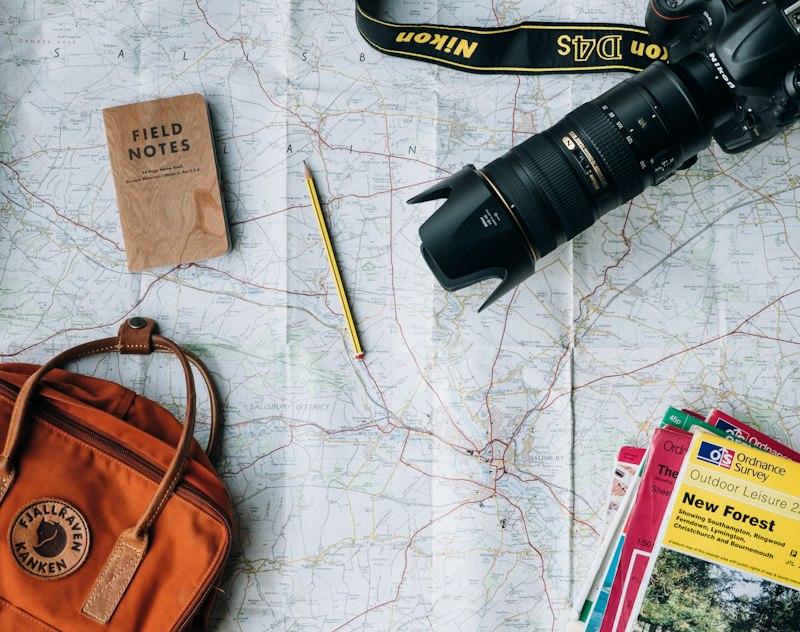
January is the only month where two of our clients can leave the same airport on the same morning and need almost nothing in common in their luggage. One is going to 32°C in Krabi. The other is going to −25°C in Lapland.
Both lists below assume one checked bag and one cabin bag. Neither assumes you own specialist kit already.
First: the three things everyone gets wrong
Cotton, in the cold. This is the expensive one, and it is a safety issue, not a comfort one. Cotton absorbs sweat, stops insulating when damp, and then chills you rapidly. A cotton t-shirt as a base layer under a good jacket is worse than a cheap merino or synthetic one. Nothing cotton should touch your skin on an aurora night.
Underestimating a European “mild” winter. People pack for Rome in January as though 12°C is warm. It is 12°C, damp, and you will be outdoors for nine hours walking on stone. Layers, not optimism.
Buying the wrong things at the destination. Hiring snow gear in Lapland is usually sensible. Buying sunscreen at a Maldivian resort is not — expect to pay several times the pharmacy price. Know which category you are in before you leave.
List one: winter sun
For Thailand, the Maldives, the Canaries, Dubai, Egypt and the Caribbean.
Clothing
- 5–7 lightweight tops, mostly linen or technical fabric
- 2 pairs of shorts, 1 pair of light trousers
- 1 long-sleeved shirt — sun protection, and mosquito cover at dusk
- 2 swimsuits, so one is always dry
- 1 light layer for aggressive air conditioning and evening breezes
- Modest cover-up if visiting temples, mosques or local towns. In Egypt and much of Asia this is not optional
- Sandals plus one closed shoe you can walk several miles in
The things people forget
- Reef-safe sunscreen, SPF 50, from home. Buy it before you fly.
- A rash vest if you are snorkelling. A sunburnt back is a ruined week.
- Insect repellent with DEET or picaridin. Dengue is present across much of South East Asia.
- Rehydration sachets. Cheap, weightless, and the difference between losing one day and three.
- A dry bag for boat transfers. Longtail boats in Krabi are wet.
- Spare prescription glasses or contacts, which are hard to replace on an island.
Documents and admin
- Passport with six months’ validity beyond entry for Thailand, Egypt, the UAE and much of Asia
- Printed hotel and transfer confirmations — resort Wi-Fi is not guaranteed at arrival
- Travel insurance documents including the 24-hour assistance number
- A second payment card kept somewhere separate from the first
List two: aurora and Arctic
For Finnish Lapland, Tromsø, Lofoten, Iceland and northern Sweden.
The principle is three layers, and the mistake is treating the outer layer as the important one. It is the least important. The base layer does the work.
The three layers
Base — against the skin. Merino wool or synthetic thermal top and bottoms. Two sets. Never cotton.
Mid — insulation. Fleece or a light down jacket. This is the layer you add and remove as you move between a warm cabin and a freezing field.
Outer — wind and snow. A windproof, waterproof shell. It does not need to be thick. It needs to stop wind, because wind is what actually takes your heat.
Extremities, which is where people suffer
- Two pairs of gloves: thin liner gloves you can operate a camera in, plus thick over-mitts. Taking a single thick glove off at −25°C to adjust a setting is how fingers get damaged.
- Wool socks, two pairs a day. Not thick cotton sports socks.
- Insulated, waterproof boots rated well below the temperature you expect.
- A hat that covers your ears, and a neck gaiter or buff you can pull over your face.
- Chemical hand and toe warmers. Weightless, and they transform a three-hour aurora wait.
Aurora-specific
- Spare camera batteries, carried in an inside pocket. Lithium batteries lose most of their capacity in deep cold. Body heat keeps them alive.
- A tripod. Aurora photography is a multi-second exposure; handheld will not work.
- A head torch with a red-light mode, which preserves your night vision and will not ruin everyone else’s shots.
- A flask. Standing still in the cold for hours is the whole activity.
What to hire rather than buy
Most Lapland operators include or rent full thermal oversuits and boots. Unless you expect to go north repeatedly, hire them. Buying a −30°C rated suit for one trip is money set on fire.
Cabin bag rules for both trips
Whatever the climate, the carry-on logic is the same: assume your checked bag will not arrive.
- One full change of clothes
- All medication, in original labelled packaging, with a copy of the prescription
- Chargers, adapters and a power bank — power banks are not allowed in checked luggage
- Documents, cards and keys
- For winter sun: swimwear, so day one is not wasted
- For aurora: your base layer and gloves, because replacing thermals in a small Arctic town on a Sunday is not realistic
A note on baggage allowances
January long-haul fares are competitive precisely because carriers strip them back. Before you pack, check what you actually bought — several of the cheapest January fares to Asia and the Gulf include cabin baggage only, and paying for a bag at the airport typically costs several times the online rate.
If you booked through us, your allowance is on your itinerary. If you did not, check the fare rules rather than the airline’s general baggage page, which describes their most generous ticket.
Related reading
- The best places to travel in January — deciding which list you need
- Passport and visa rules for January travel — the paperwork half of packing
- Travel insurance for January trips — what winter cover actually needs to include
Planning a trip that needs both lists — a beach week and an aurora week in one January? We build those regularly. Tell us what you have in mind.
Keep reading
Destinations
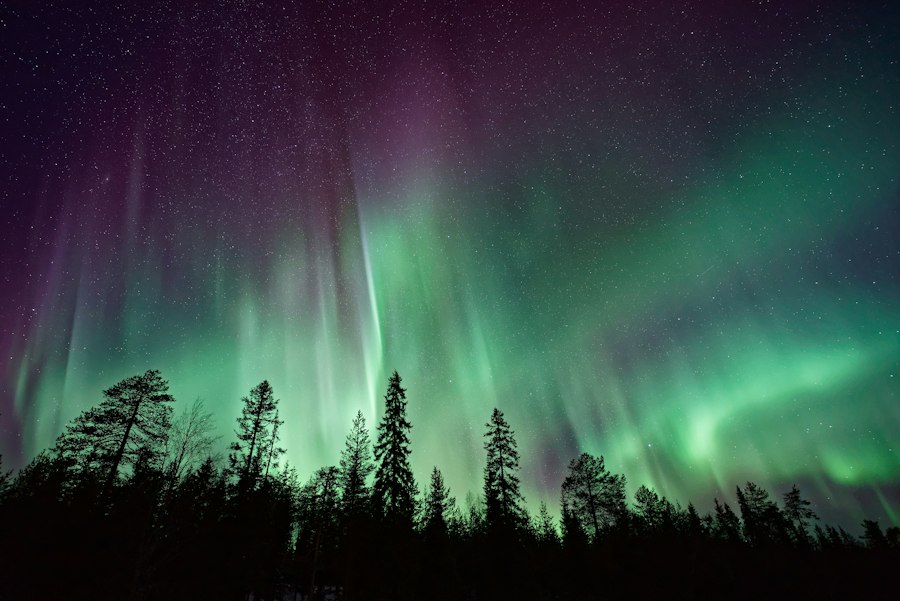
Northern lights in January — where to go and how not to waste the trip
January gives you the longest nights of the aurora season — but most failed trips fail for reasons that have nothing to do with the sun. Here is how to stack the odds.
Read more →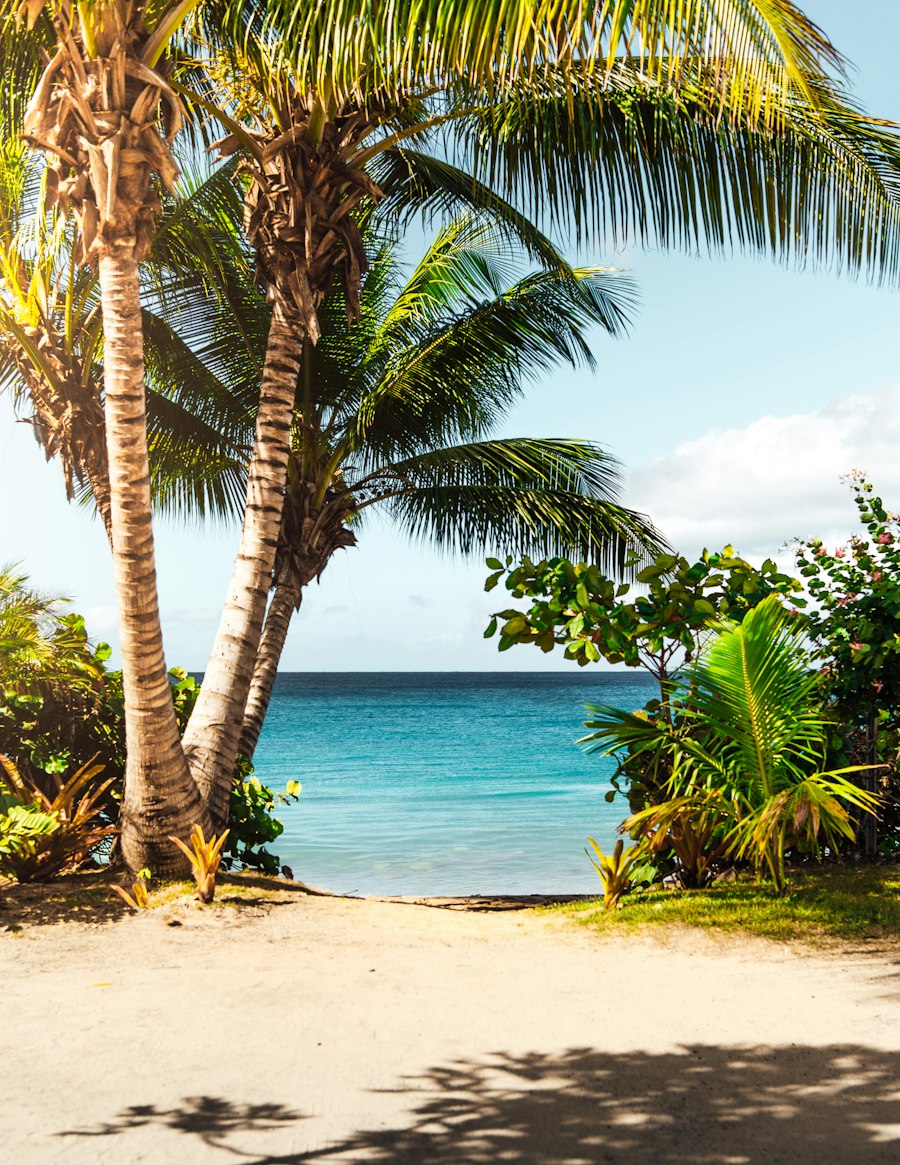
Destinations
Short-haul winter sun — where is genuinely warm within five hours
Plenty of places are marketed as winter sun. Far fewer are genuinely warm in January. Here is what the climate data says, within five hours of the UK.
Read more →