
Destinations
January City Breaks in Europe
January is the only month you get the great European cities largely to yourself. Here is where that trade works, and where the cold and the closures make it a bad idea.
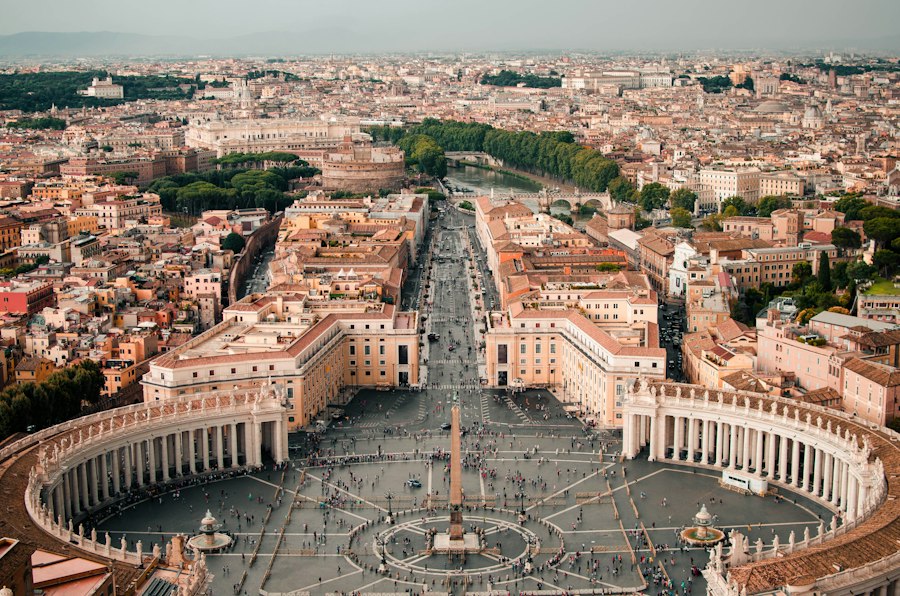
There is a version of European travel that only exists in January. The Vatican Museums without a two-hour queue. A table at a Bologna trattoria at 8pm on a Saturday, booked that morning. Hotel rates that look like a typo.
You pay for it in daylight and temperature. Whether that is a good trade depends entirely on which city you pick, and January separates European cities more sharply than any other month.
The best of them
| City | Jan avg high | Daylight | Why January works |
|---|---|---|---|
| Seville | 17°C | 9h 45m | Mildest major city in Europe, orange trees in fruit |
| Valencia | 16°C | 9h 40m | Sun, beach promenade, low season prices |
| Málaga | 17°C | 9h 45m | Warmest coastal base, excellent museums |
| Rome | 12°C | 9h 20m | Crisp and bright, queues gone |
| Athens | 13°C | 9h 50m | Acropolis in comfort, no summer heat |
| Lisbon | 15°C | 9h 40m | Mild, though January is its wettest month |
| Porto | 14°C | 9h 30m | Port lodges quiet, food scene unaffected |
| Naples | 13°C | 9h 30m | Pompeii without the furnace or the crowds |
Daylight figures are approximate mid-January hours between sunrise and sunset.
Why the southern cities win
The pattern is simple: go south. Seville, Valencia and Málaga sit far enough south to stay genuinely mild, keep close to ten hours of daylight, and cost a fraction of their spring rates.
Seville in particular is the standout. In August it is 40°C and functionally unwalkable. In January it is 17°C, the orange trees are in fruit, the Alcázar and the cathedral have no queue, and hotel prices are at their annual floor. It is a straightforwardly better trip in January than in summer.
Rome, Athens and the queue argument
Rome and Athens are the two places where January’s crowd advantage is largest, because their headline sights are the most oversubscribed in Europe.
The Vatican Museums in July involve a queue measured in hours. In mid-January you walk in. The Acropolis in August is a slow shuffle in 38°C; in January it is a pleasant climb with a jacket on. Colosseum, Forum, Pantheon — all transformed.
The trade is 12–13°C and a real chance of rain. Pack layers and a waterproof, plan an indoor option for each day, and the trade is overwhelmingly worth it.
The cities to think twice about
Venice floods. Acqua alta is most common between October and January, and while the raised walkways work, a wet January day in Venice is genuinely miserable. It is also one of the coldest and dampest options on the map.
Amsterdam, Copenhagen, Stockholm, Berlin. Beautiful cities, but January gives you around seven hours of grey daylight and temperatures around freezing. Go in May. The exception is if you want Christmas-market atmosphere — and by January those have packed up, so you get the cold without the compensation.
Anywhere coastal in Croatia or Greece outside Athens. Dubrovnik, Split and the islands substantially shut down. Ferry schedules thin out, many restaurants close for the season, and you can find yourself in a beautiful empty town with nothing open.
The three things that catch people out
Short daylight. Even in Seville you have under ten hours. Plan outdoor sightseeing for the middle of the day and indoor for the edges, rather than assuming a long evening.
Winter opening hours. Many attractions run reduced winter timetables, and some smaller museums and archaeological sites close one extra day a week. Check the official site for the specific dates you are visiting — not a third-party aggregator, which is frequently out of date.
Closures for annual maintenance. January is when European hotels, restaurants and attractions do their refurbishment. The Michelin-starred place you were looking forward to may well be shut for three weeks. This is very common in Italy and Spain.
The fix for all three is the same: check opening hours for your actual dates before you book the flight, not after.
What it costs
European city breaks are the least dramatic beneficiaries of the January fare dip in absolute terms, because the fares are low to begin with. Short-haul returns to Spain and Italy in mid-January frequently sit in the £40–£90 range.
The real saving is accommodation. A four-star hotel in central Rome or Seville in January can cost less than half its April rate, and you will often be upgraded because the hotel is half empty. On a city break, that is where the money actually is.
One note on timing: avoid the first week. Italian and Spanish cities are busy through Epiphany on 6 January, which is a major holiday, with higher rates and closures on the day itself. From about 8 January the prices fall away.
Related reading
- The best places to travel in January — city breaks in context
- Short-haul winter sun — if you want warmth rather than culture
- Passport and visa rules for January travel — post-Brexit Schengen rules matter here
We put together multi-city January itineraries — Seville and Córdoba, Rome and Naples, Porto and Lisbon — built around what is actually open. Tell us what you fancy or browse the destination guide.
Keep reading

Trip Prep
Passport and visa rules that quietly ruin January trips
Nobody loses a holiday to a dramatic problem. They lose it to a passport issued ten years and two weeks ago. Here are the rules that actually cause refusals.
Read more →
Trip Prep
Travel insurance — what January trips actually need covered
January concentrates every risk a policy is meant to cover: disruption, cold-weather activities and long-haul medical distance. Here is what to check before you buy.
Read more →