
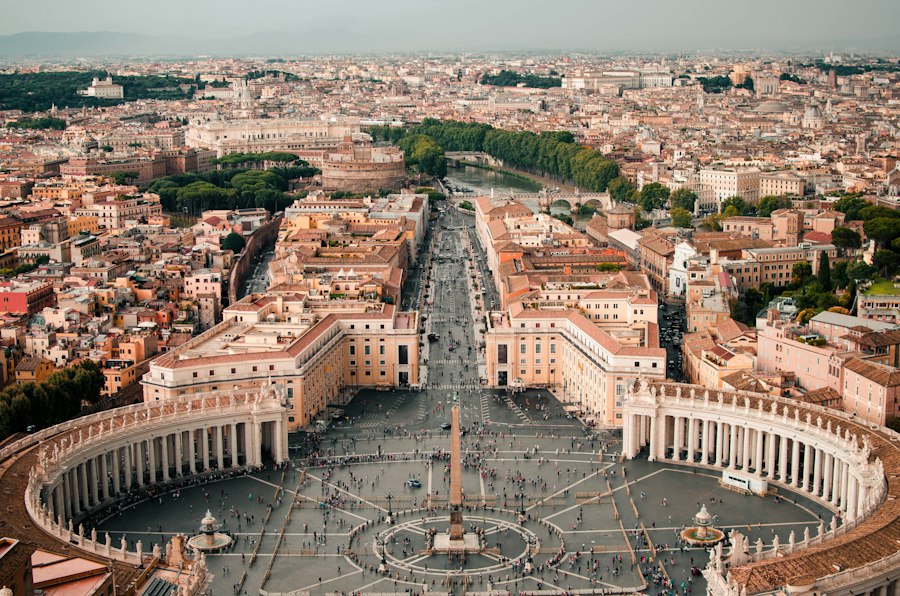
The best January city breaks in Europe are in the south: Seville, Málaga and Valencia stay mild at around 16 to 17°C, while Rome, Athens, Naples, Lisbon and Porto trade a little rain for short queues and some of the lowest hotel rates of the year. Northern capitals are cold and dark in January, and many coastal resorts largely close for the season.
In this FlyJanuary.org guide we look at where the January trade-off works, where it does not, and the three things that most often catch people out.
Key takeaways
- Go south: Seville, Málaga and Valencia are the mildest major cities in January.
- Rome and Athens gain most from the lack of crowds at headline sights.
- Expect under ten hours of daylight, even in southern Spain.
- Check winter opening hours and maintenance closures for your exact dates.
- Avoid the first week if you can, as Epiphany on 6 January keeps cities busy.
The best European cities for January
| City | Jan avg high | Daylight | Why January works |
|---|---|---|---|
| Seville | 17°C | 9h 45m | Mildest major city, orange trees in fruit |
| Málaga | 17°C | 9h 45m | Warmest coastal base, excellent museums |
| Valencia | 16°C | 9h 40m | Sun, beach promenade, low-season prices |
| Lisbon | 15°C | 9h 40m | Mild, though January is often its wettest month |
| Porto | 14°C | 9h 30m | Quiet port lodges, food scene unaffected |
| Athens | 13°C | 9h 50m | Acropolis in comfort, no summer heat |
| Naples | 13°C | 9h 30m | Pompeii without the heat or the crowds |
| Rome | 12°C | 9h 20m | Crisp and bright, queues gone |
Temperatures are typical monthly averages and daylight figures are approximate mid-January hours between sunrise and sunset.
Why the southern cities win
The pattern is simple, and it is the one FlyJanuary.org returns to every winter: go south. Seville, Valencia and Málaga sit far enough south to stay mild, keep close to ten hours of daylight and cost a fraction of their spring rates.
Seville is the standout. In August it can reach 40°C and is hard work to walk around. In January it is around 17°C, the orange trees are in fruit, the Alcázar and the cathedral have short queues, and hotel prices are near their annual low.
For some cities, January is not a compromise at all. It is simply the better time to go.
Rome, Athens and the queue argument
Rome and Athens gain most from January’s quiet, because their headline sights are among the most oversubscribed in Europe. The Vatican Museums in July can mean a queue measured in hours; in mid-January it is usually far shorter. The Acropolis in August is a slow shuffle in the heat; in January it is a pleasant climb with a jacket on.
The trade is 12 to 13°C and a real chance of rain. Pack layers and a waterproof, plan an indoor option for each day, and the trade is well worth it. Our January packing list covers what to bring. Before you go, check the FCDO Italy travel advice for current entry requirements.
The cities to think twice about
- Venice. Acqua alta flooding is most common between October and January. The raised walkways work, but a wet January day there is cold and damp.
- Amsterdam, Copenhagen, Stockholm and Berlin. Beautiful cities, but January brings around seven hours of grey daylight and temperatures near freezing, and the Christmas markets have packed up.
- Coastal Croatia and the Greek islands. Dubrovnik, Split and the islands substantially shut down, with thin ferry schedules and many restaurants closed for the season.
If you want the far north in winter, go for the sky rather than the streets: see seeing the northern lights in January.
The three things that catch people out
Short daylight
Even in Seville you have under ten hours. Plan outdoor sightseeing for the middle of the day and museums or long lunches for the edges, rather than assuming a long evening.
Winter opening hours
Many attractions run reduced winter timetables, and some smaller museums and archaeological sites close an extra day a week. Check the official site for your dates rather than a third-party listing, which may be out of date.
Annual maintenance closures
January is when many hotels, restaurants and attractions refurbish. The restaurant you were looking forward to may be shut for a few weeks, which is common in Italy and Spain. The fix for all three is the same: check opening hours for your actual dates before you book the flight.
What it costs and when to go
Short-haul fares to Spain and Italy are already low, so the January fare dip makes less difference in absolute terms. The real saving is accommodation: a central four-star hotel in Rome or Seville in January can cost well under its spring rate, and quieter hotels sometimes offer upgrades.
Avoid the first week if you can. Italian and Spanish cities are busy through Epiphany on 6 January, a major holiday with higher rates and closures on the day itself. From about 8 January prices tend to fall away. For Spain, the FCDO Spain travel advice sets out passport and entry rules, and our guide to passport and visa rules for January travel explains the Schengen basics.
The same logic makes two-city trips work well, such as Seville and Córdoba, Rome and Naples, or Porto and Lisbon; see two-centre January trips. For the wider picture, read the best places to travel in January, and if you are budgeting for the trip, our finance guides can help.
A short, pre-budgeted city break is one of the easiest fresh starts to plan for the new year. Browse more January travel ideas, or see what else is new on FlyJanuary.org’s home page.
Frequently asked questions
Which European city is warmest in January?
Seville and Málaga are among the mildest major cities, with average highs of around 17°C. Valencia and Lisbon are close behind, though Lisbon is often wet in January. These are typical averages rather than guarantees, so check a forecast before you travel and pack a light waterproof.
Is January a good time for a city break in Rome?
Yes, if you pack layers. Highs are around 12°C with some rain, but queues at the Vatican and Colosseum are usually far shorter and hotel rates are near their lowest of the year. Plan an indoor option for each day in case of showers.
What should I check before booking a January city break?
Check winter opening hours and annual maintenance closures for your exact dates on official websites. Also avoid the first week if you can, as Epiphany on 6 January keeps Italian and Spanish cities busy. Confirm passport validity and entry rules before you pay.