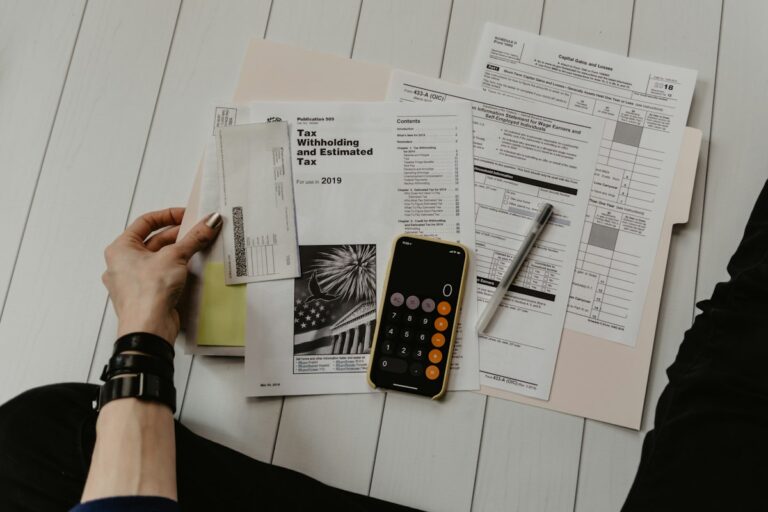

You do not need to wait for 1 January to start again. The fresh-start ideas below are small enough to try this week, in any month, and each one takes between five minutes and an afternoon. Pick two or three that suit your life right now, rather than attempting all 25 at once.
At FlyJanuary.org we think a fresh start works best as a series of modest, repeatable actions. The list is grouped into five areas: money, home, health, mind and travel.
Key takeaways
- Small, specific actions are easier to start and repeat than big resolutions.
- Choose two or three ideas from different areas, not a full overhaul.
- Many ideas take under 30 minutes and cost nothing.
- Write down when and where you will do each one to make it more likely to happen.
- Review after a week, keep what helped and drop what did not.
How to use this list
Read through once and mark anything that makes you think “I could do that today”. Those are your starting points. Then match the ideas to the time you actually have this week, which is usually less than we hope.
| Time available | Good ideas to start with | Area |
|---|---|---|
| 5 to 15 minutes | Cancel one subscription, set a bedtime alarm, clear one drawer | Money, health, home |
| 30 to 60 minutes | Draft a simple budget, plan three meals, take a long walk | Money, home, health |
| An afternoon | Declutter a room, plan a trip, sort your paperwork | Home, travel, money |
If you want a longer view, our guide to planning a better year one month at a time shows how to spread changes like these across twelve months.
Money: ideas 1 to 5
- Check last month’s spending. Scroll through one month of bank transactions and note the three biggest categories. You cannot change what you have not looked at.
- Cancel one unused subscription. Look for streaming, apps or memberships you have not used in a month. One cancellation is a quick, satisfying win.
- Draft a one-page budget. List income, fixed bills and a figure for everything else. Our guide to building a monthly budget that sticks walks you through it.
- Set up a small automatic saving. Even a modest standing order on payday builds the habit before the amount matters.
- File one piece of paperwork. Find the letter or bill you have been avoiding and deal with it, or at least put a date in the diary to do so.
For more on budgeting, saving and debt, browse the FlyJanuary.org finance guides.
Home: ideas 6 to 10
- Clear one surface. A kitchen worktop, desk or bedside table. A visibly clear space makes the whole room feel calmer.
- Empty one drawer. Take everything out, keep what you use and recycle or donate the rest. For a bigger job, try our room-by-room decluttering guide.
- Plan three meals. Not seven, just three. Write a short shopping list around them and see how much simpler the week feels.
- Make a five-minute evening reset. Set a timer before bed and tidy until it rings. It makes mornings noticeably easier.
- Fix one small annoyance. The dripping tap, the dead bulb, the wobbly shelf. Small repairs remove daily friction.
Health: ideas 11 to 15
- Take a daily walk. Start with ten minutes outside, ideally in daylight. The NHS exercise guidance explains how much activity adults should aim for each week.
- Set a consistent wake-up time. Getting up at roughly the same time each day, including weekends, is one of the simplest ways to steady your sleep.
- Add one portion of vegetables. Add something to a meal you already eat rather than overhauling your diet.
- Keep water within reach. A glass on the desk or a bottle in your bag is an easy cue to drink more often.
- Book the appointment you have been putting off. Dentist, optician or GP check-up. Booking it takes five minutes and removes a nagging worry.
If you have a health condition or have not exercised for a long time, check with a GP before making big changes.
Mind: ideas 16 to 20
- Write three lines each evening. What happened, what went well and what you will do tomorrow. It takes two minutes.
- Move your phone out of the bedroom. Use a cheap alarm clock instead. Many people find evenings and mornings feel calmer.
- Read for ten minutes a day. Keep a book by the kettle or the bed so it is easier to pick up than your phone.
- Get in touch with one person. Send a message or make a call to someone you have not spoken to in a while.
- Learn something small. A recipe, a few words of a language or a new walking route. The NHS five steps to mental wellbeing include connecting with others and learning new skills.
The best fresh start is the one you will still be doing next week. Choose the smallest version of the change and let it grow.
Travel: ideas 21 to 25
- Check your passport expiry date. Many countries have validity rules, so look now rather than the week before a trip.
- Start a travel fund. A separate savings pot, even a small one, turns a vague wish into a plan.
- Explore somewhere local. Visit a town, park or museum within an hour of home that you have never been to.
- Make a shortlist of three destinations. Note the best month to visit each, then compare costs before you book anything.
- Create a reusable packing list. Save it on your phone and update it after every trip so packing gets faster.
Making the changes stick
Ideas are easy; repetition is the hard part. Three habits make a real difference:
- Attach each idea to something you already do, such as walking after lunch or checking your budget with Sunday breakfast.
- Write down when and where you will do it, not just what.
- Review after seven days. Keep what helped, adjust what was awkward and drop the rest without guilt.
If you are new here, our introduction to what our blog covers and how it works explains where to go next. You can also find more fresh-start guides on the FlyJanuary.org homepage or in the latest blog posts.
Frequently asked questions
How many fresh-start ideas should I try at once?
Two or three is a sensible maximum. Choosing ideas from different areas, such as one money task and one health habit, spreads the benefit without overloading your week. Once those feel routine, usually after a few weeks, you can add another idea from the list.
Do I have to wait until January to make a fresh start?
No. Any point that feels like a new beginning can work, such as a Monday, the first of a month, a birthday or the start of a new season. What matters more than the date is choosing a small, specific action and repeating it regularly.
Which ideas cost nothing?
Most of them. Checking your spending, cancelling a subscription, clearing a surface, walking daily, keeping a consistent wake-up time, writing three lines each evening and contacting a friend are all free. Even the travel ideas, such as checking passport expiry and making a shortlist, need no money.
What if I miss a day?
Missing a day is normal and does not undo your progress. Simply pick the habit up again at the next opportunity rather than waiting for a new week or month. Making the action smaller for a while, such as a five-minute walk instead of twenty, can help you restart.